A wedding is rarely distinguished by the budget or the number of guests. What makes a celebration memorable is the consistency between the venue, the materials, and the atmosphere that guests perceive upon their arrival. Achieving this consistency requires making firm choices about decoration, theme, and logistical constraints long before considering aesthetic details.
Modular Wedding Decoration: Anticipating the Weather in the Concept
Most wedding decoration guides overlook a parameter that conditions the entire scenography: the weather. For an outdoor wedding, whether it’s rustic, by the sea, or in a private garden, the decoration must be able to switch to a covered configuration without losing its visual identity.
In the event of an orange alert (storms, heatwave), professional organizers activate a fallback plan under a marquee or tent. Decorative elements (drapes, banners, signage) are chosen from the start in materials that are resistant to wind and heat, to avoid a complete dismantling of the setup.
In practical terms, this changes the way to design a decoration plan:
- Outdoor walkways are stabilized with temporary non-slip coverings, compatible with ceremony shoes.
- Decorated areas are positioned away from slopes and at a distance from watercourses, to limit risks in case of heavy rain.
- Light fabrics (organza, tulle) are lined or replaced with denser canvases that withstand gusts, without sacrificing aesthetics.
Thinking of decoration as a modular system, rather than a fixed decor, allows for enjoying the outdoor setting while maintaining a credible fallback solution. Specialized resources allow for a deeper exploration of this type of approach, for example, https://mariageetdecoration.com/ which gathers inspirations suitable for different contexts.
Wedding Theme: Building a Guideline Rather Than a Catalog
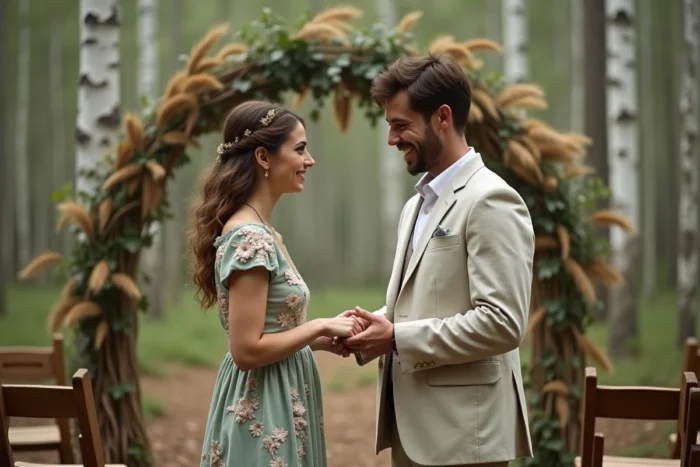
A theme is not limited to a dominant color or a keyword (bohemian, vintage, rustic). An effective theme connects the venue, the table, and the ambiance through a narrative thread that guests identify without needing an explanation.
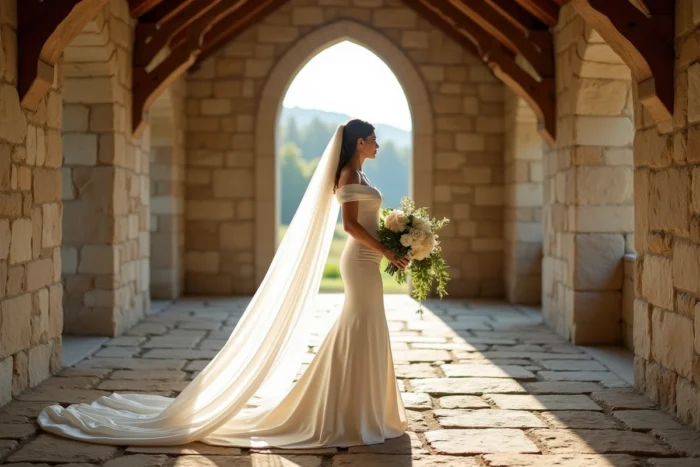
The most reliable method is to start from the reception venue. A dry stone estate with exposed beams calls for raw elements (linen, driftwood, candles). An urban loft leans towards metal, glass, and graphic floral compositions. Forcing a rustic theme in an industrial space creates a visible inconsistency.
Craftsmanship and Personalization as a Guiding Thread
A clear trend has emerged in recent seasons: hand-calligraphed menus, guest gifts made by local artisans, and creative workshops integrated into the evening’s program. A mini-bouquet or glass engraving workshop, for example, effectively replaces a classic photobooth.
This artisanal approach serves not only the decoration. It gives guests an active role in the day and produces physical memories they take home. The theme then becomes something experienced, not just observed.
Flowers and Candles: The Two Elements That Structure a Reception Table
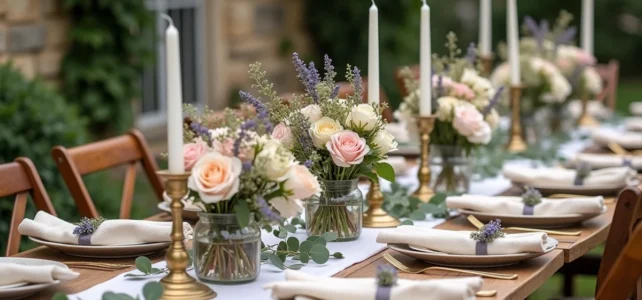
On a wedding table, two categories of elements carry the majority of the visual effect: floral arrangements and candle lighting. The rest (tableware, napkins, place cards) plays a supporting role.
Flowers define the style and color palette of the table. Open peonies at the center of the table create a romantic atmosphere. Dried grasses mixed with eucalyptus produce a natural, less formal look. The choice of flowers also affects the budget: seasonal varieties cost significantly less than imported flowers.
Lighting and Candles: Creating the Evening’s Ambiance
Candles transform the atmosphere of a room at dusk. Glass candlesticks of varying heights, spread along the table, create a warm luminous effect that LED garlands cannot replicate.
A technical point not to be overlooked: check the fire safety regulations of the venue before relying on open flames. Some venues require LED candles for insurance reasons. It’s better to know this before ordering a hundred wax tealights.
Dress, Guest Style, and Visual Consistency of the Ceremony
The wedding dress does not exist outside the decor. A flowy crepe dress suits an outdoor secular ceremony. A structured mikado or satin dress is better suited to a marked architectural setting (castle, vaulted hall).
This logic extends to the dress code communicated to guests. Suggesting a range of colors (pastels, earth tones, black and white) in the invitation allows for visual harmony in group photos and during the reception, without imposing a uniform.
Stationery as the First Contact with the Theme
The invitation is the first decorative element that guests see, sometimes months before the big day. An artisanal or screen-printed invitation signals the level of care given to the celebration. It establishes the visual vocabulary (typography, colors, materials) that the decoration will echo on the day of the ceremony.
Using the same paper or graphic palette for the invitation, menu, seating plan, and place cards creates a continuity that guests perceive, even subconsciously.
The parameter that distinguishes a successful wedding from a simply pretty one is this continuity between each point of contact: from the invitation to the last candle on the dessert table. Working on the coherence of these elements takes time, not necessarily a higher budget.