
On a Clio 3 diesel that refuses to start on a frosty morning, the OBD diagnostic returns the code DTC038061. The preheating light stays on, the engine coughs or doesn’t start at all. This code points to a malfunction in the preheating circuit, but its resolution depends on the actual faulty part, and sometimes the problem doesn’t even come from a glow plug.
Preheating circuit voltage: what DTC038061 really measures
DTC038061 corresponds to an anomaly detected by the engine control unit on the power supply circuit of the glow plugs. We’re talking about an electrical fault, not necessarily mechanical. The control unit monitors the voltage sent to the glow plugs and compares the measured value to an expected range.
When the measured voltage falls below a critical threshold, the code is triggered. Several elements of the circuit can cause this voltage drop, and reading the code alone is not enough to identify the faulty part. A multimeter then becomes essential to trace the source of the problem.
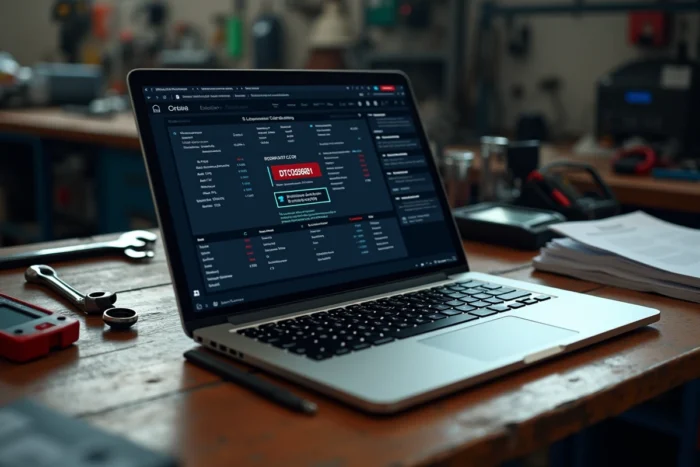
On Renault diesel models (Clio, Mégane, Scénic, Trafic), this fault is often associated with difficulties starting in cold weather, excessive idling consumption, or persistent white smoke in the first few seconds after starting. If you’re looking for a detailed diagnosis on the code dtc038061 on Renault, the process always starts with measuring the resistance of each glow plug.
Glow plugs, relays, or wiring: isolating the fault on a Renault diesel
The diagnostic logic follows a precise order. We start with the glow plugs, then the relay, and then the wiring. Skipping a step often leads to unnecessary replacements.
Testing glow plugs with a multimeter
Disconnect the connector from each glow plug and measure the resistance between the terminal and ground. A glow plug in good condition shows low and stable resistance. A very high or infinite value indicates a burnt-out glow plug. On a four-cylinder engine, just one faulty glow plug is enough for the control unit to register DTC038061.
Feedback varies on this point: some drivers go for months with a dead glow plug without any apparent fault code, until a second one fails and the detection threshold is crossed.
Checking the glow plug relay
The relay controls the grouped power supply of the glow plugs. If it sticks or no longer closes the circuit, no glow plug receives current. We test it by measuring the output voltage during the preheating phase (ignition on, engine off). The absence of voltage confirms a faulty relay or a problem upstream, on the control unit side.
Inspecting the electrical wiring
On aging Renault diesels, corrosion of connectors or a melted wire due to engine heat causes intermittent cuts. This type of fault is tricky: the code appears and disappears depending on the ambient temperature or humidity. A visual inspection of the wiring between the relay and the glow plugs, complemented by a continuity test, allows for a conclusion.
- Burnt-out glow plug: infinite resistance on the multimeter, individual replacement possible but it is recommended to change the complete set to standardize preheating
- Faulty relay: no output voltage during preheating, relatively accessible part on most models
- Damaged wiring: break or abnormal resistance between relay and glow plugs, often related to corrosion or thermal aging
- Oxidized connector: intermittent contact, cleaning possible but replacement preferable if the terminal is green or brittle
Software issues and water infiltration in the engine control unit
Competitors almost all focus on the glow plugs and the relay. However, two other causes deserve attention, especially on newer vehicles or specific engines.
Updating the control unit (ECU reprogramming)
A reprogramming of the control unit can correct DTC038061 without replacing any parts. This software avenue concerns cases where the fault detection threshold is poorly calibrated from the factory or after an incomplete previous update. Only a technician equipped with a manufacturer diagnostic tool (like CLIP at Renault) can check if a new version of the firmware is available for the engine control unit.
Water ingress in the control unit on 3.0 dCi engines
On certain Renault models equipped with the 3.0 dCi engine with Bosch control unit, water infiltration in the ECU housing causes multiple and inconsistent fault codes, including errors related to preheating. Water enters through poorly sealed housing joints or after high-pressure washing of the engine compartment.
Associated symptoms go beyond simple preheating: loss of diagnostic communication, complete failure to start, multiple warning lights illuminated simultaneously. In this case, replacing or repairing the control unit is the only lasting solution.
Preventive maintenance of the diesel preheating circuit
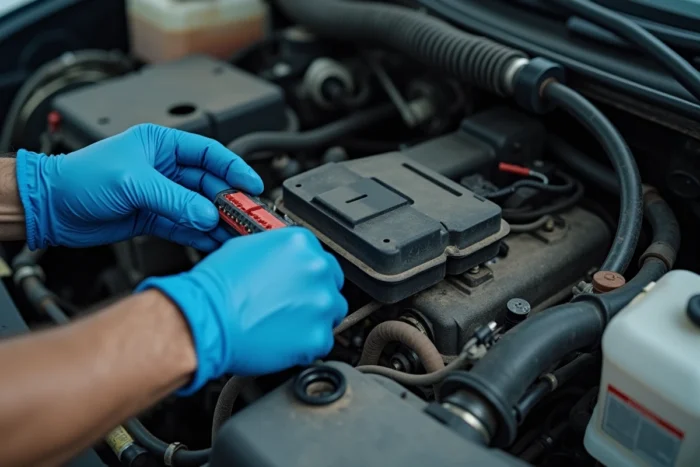
Waiting for a failure to intervene on the preheating system always costs more than anticipating it. A few simple habits reduce the risk of DTC038061 appearing.
- Respect the recommended replacement intervals for glow plugs as specified by Renault, usually based on a specific mileage indicated in the maintenance booklet
- Avoid direct high-pressure washing on the engine control unit and connectors in the engine compartment
- Visually check the condition of the connectors at least once a year, especially on vehicles exposed to de-icing salt or parked outdoors
An annual check of the preheating circuit prevents unpleasant winter surprises. If in doubt about the condition of the glow plugs, a quick test with a multimeter takes a few minutes and does not require removing the intake manifold on most Renault diesel models.
DTC038061 remains a common code but rarely serious when addressed early. The difficulty lies less in the repair than in the diagnosis: glow plug, relay, wiring, or control unit, each avenue requires methodical verification before ordering any parts.